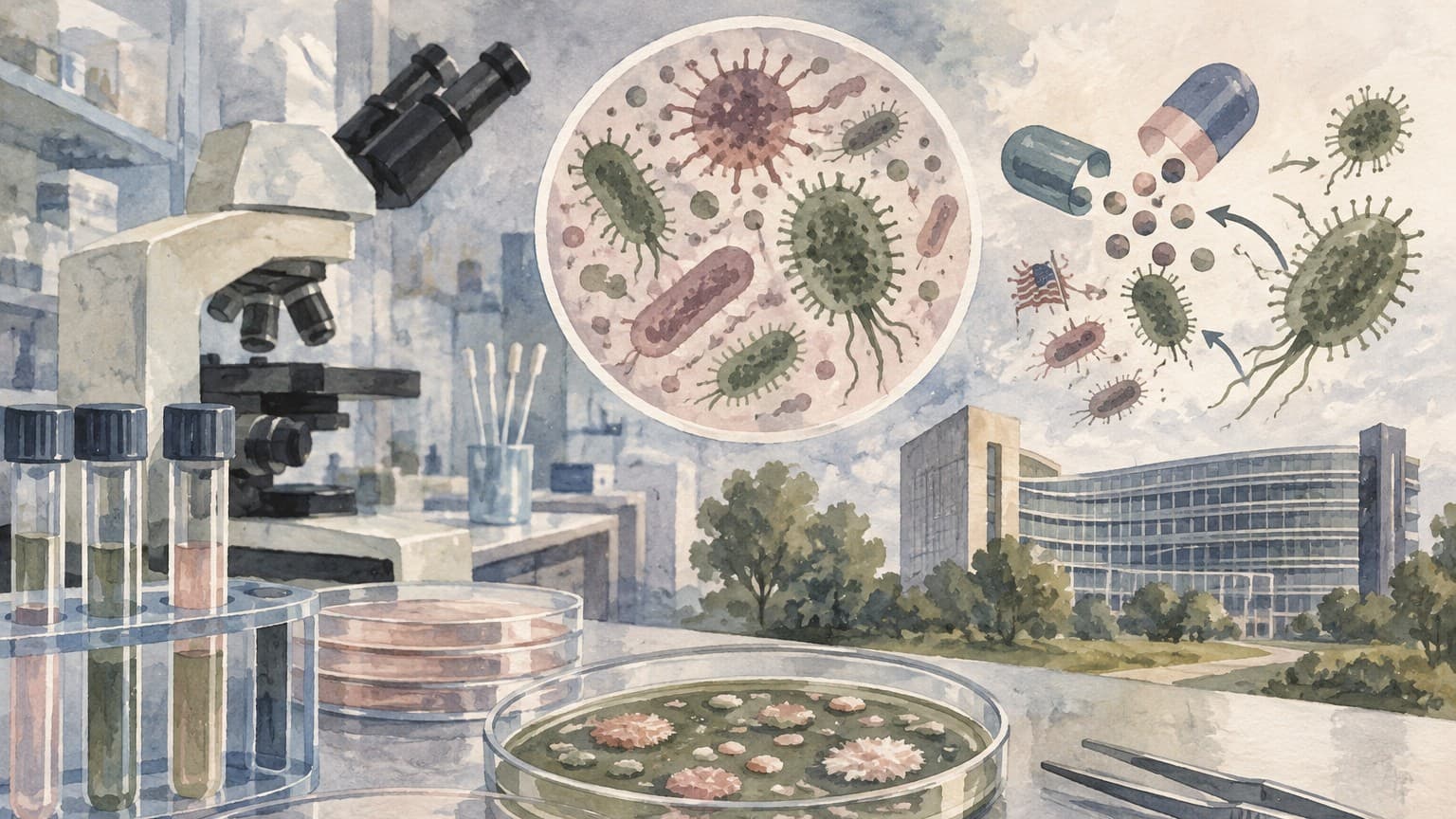
The Centers for Disease Control and Prevention released the Antimicrobial Resistance Threats Report on Oct. 27, its first such comprehensive assessment in seven years. The report estimates that 19 drug-resistant bacteria and fungi cause 9.7 million infections and 50,800 deaths in the U.S. each year. Four germs are classified as urgent threats: Candida auris, Neisseria gonorrhoeae, carbapenem-resistant Enterobacterales and carbapenem-resistant Acinetobacter.
C. auris is a fungus that spreads easily in healthcare settings and can cause mild skin infections or life-threatening bloodstream infections. CDC data show clinical cases increased by more than 50% between 2022 and 2023, and have risen nearly tenfold since 2019. As of Oct. 17, the U.S. had reported 6,762 confirmed cases this year, already exceeding the 6,560 cases reported in all of last year, USA TODAY reported.
Neisseria gonorrhoeae, the bacterium that causes gonorrhea, has developed resistance to nearly all antibiotics used to treat it. The CDC puts the number of drug-resistant gonorrhea infections in 2023 at about 787,000. The agency says it is "only a matter of time until it becomes resistant to the last available cure".
Carbapenem-resistant Enterobacterales and carbapenem-resistant Acinetobacter are bacteria that commonly spread in hospitals and nursing homes and are resistant to carbapenems, some of the strongest antibiotics available. The CDC estimates that CRE caused 14,878 hospital infections and 1,252 deaths in 2023. Acinetobacter can cause infections in the lungs, wounds, urinary tract and blood, and people can carry it on skin without knowing.
The report estimates that healthcare-associated infections caused more than 42,000 deaths and nearly $12 billion in health care costs in 2023. The Infectious Diseases Society of America's president, Wendy Armstrong, said in a statement that drug-resistant infections "prolong hospital stays, drive up health care costs".
The report also shows progress: Clostridioides difficile, or C. diff, was downgraded from an urgent to a serious threat. Infections dropped from 455,560 in 2018 to 412,504 in 2023, and the CDC says the decline shows infection prevention and more careful antibiotic use can work.
The serious-threat list also includes drug-resistant strains of salmonella, shigella, strep, meningococcus and tuberculosis. Drug-resistant Neisseria meningitidis was newly classified as a serious threat because it can cause meningitis and bloodstream infections and spreads in everyday settings through kissing, sharing drinks or close living quarters. The CDC is also watching six additional germs, including drug-resistant ringworm, which is becoming harder to treat; misusing over-the-counter antifungal creams and steroid-antifungal combinations may contribute to resistance.
The CDC noted that its 2026 data sources and methods differ from those used in the 2019 report, so the numbers are not a one-to-one comparison. The agency plans to release an update every two years, NBC News reported. In a statement, CDC Director Dr. Erica Schwartz said: "Antimicrobial resistance threatens modern medicine and puts millions of Americans at risk every year".
Beyond the U.S., research suggests that by 2050, over 39 million people worldwide might die from antibiotic-resistant infections. Yvan Hutin, who previously led antimicrobial resistance work at the World Health Organization, said in a statement earlier this year that new antibiotics are "not sufficient to catch up with evolving drug-resistant bacteria" and called for a reliable pipeline of innovative, affordable agents.