Tuesday Labs debuts Voxel Series-1 household chore robot
The New York company's counter-height robot can water plants and sweep crumbs, and first units will go to early adopters for $20,000.
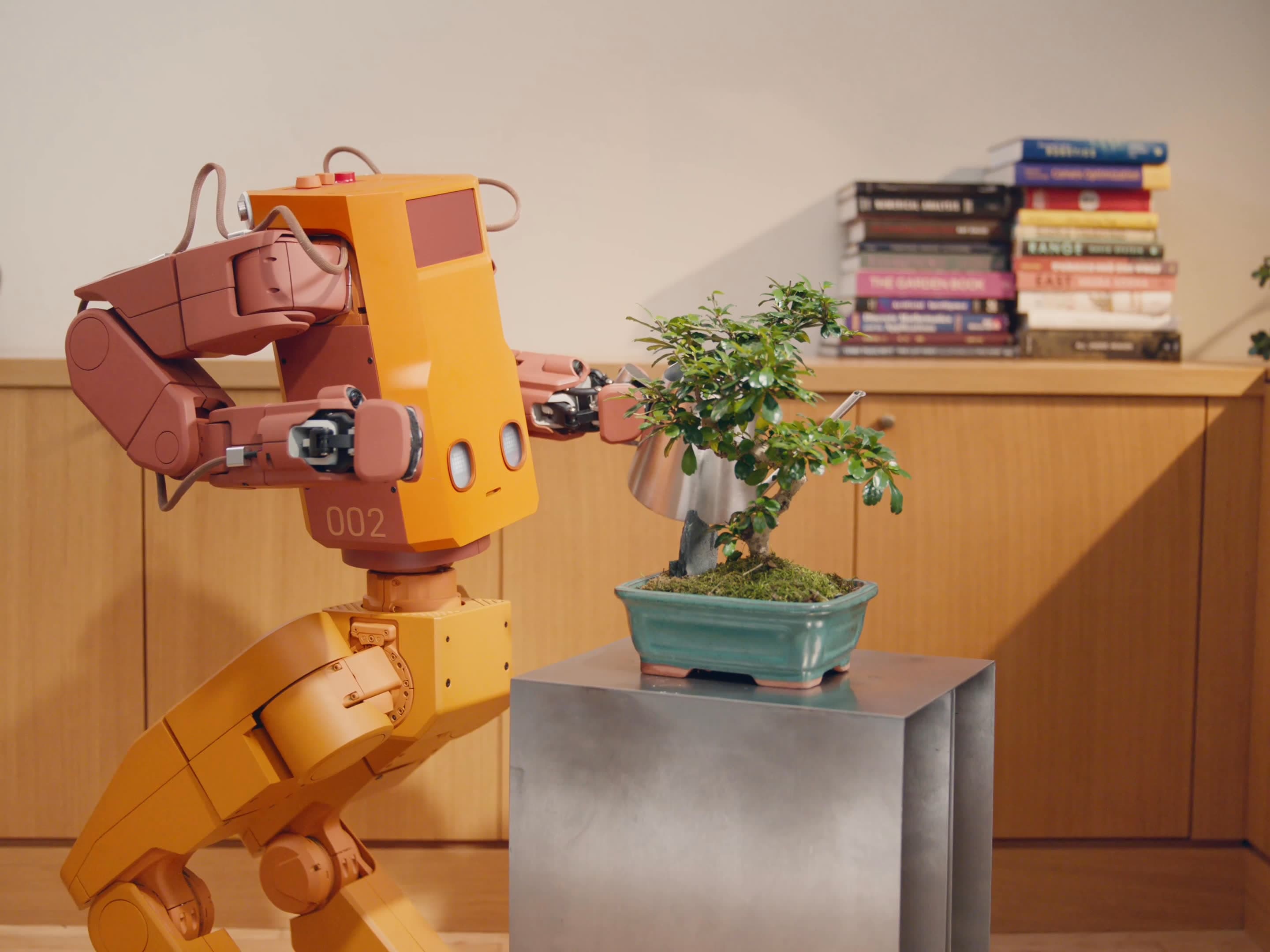
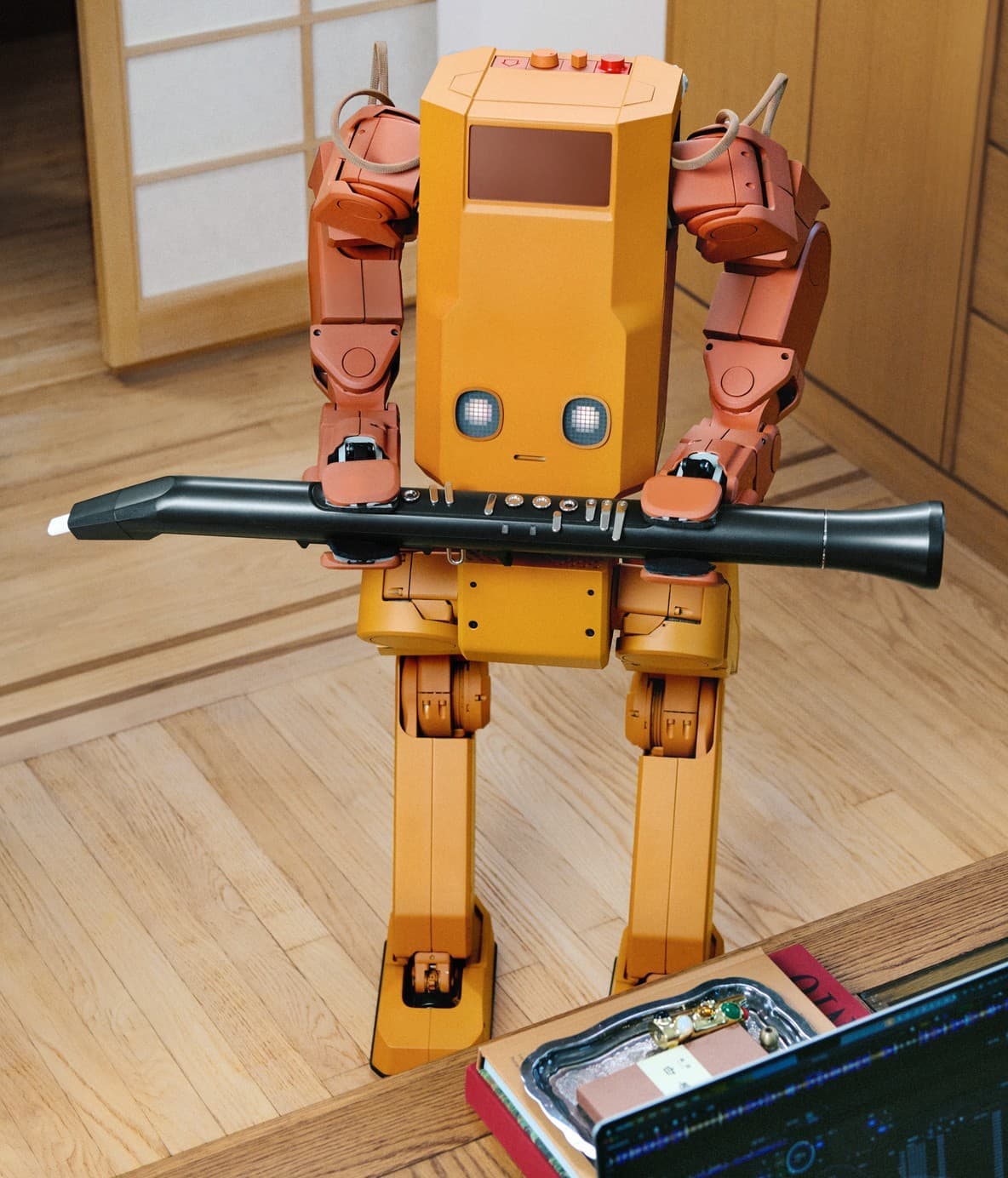
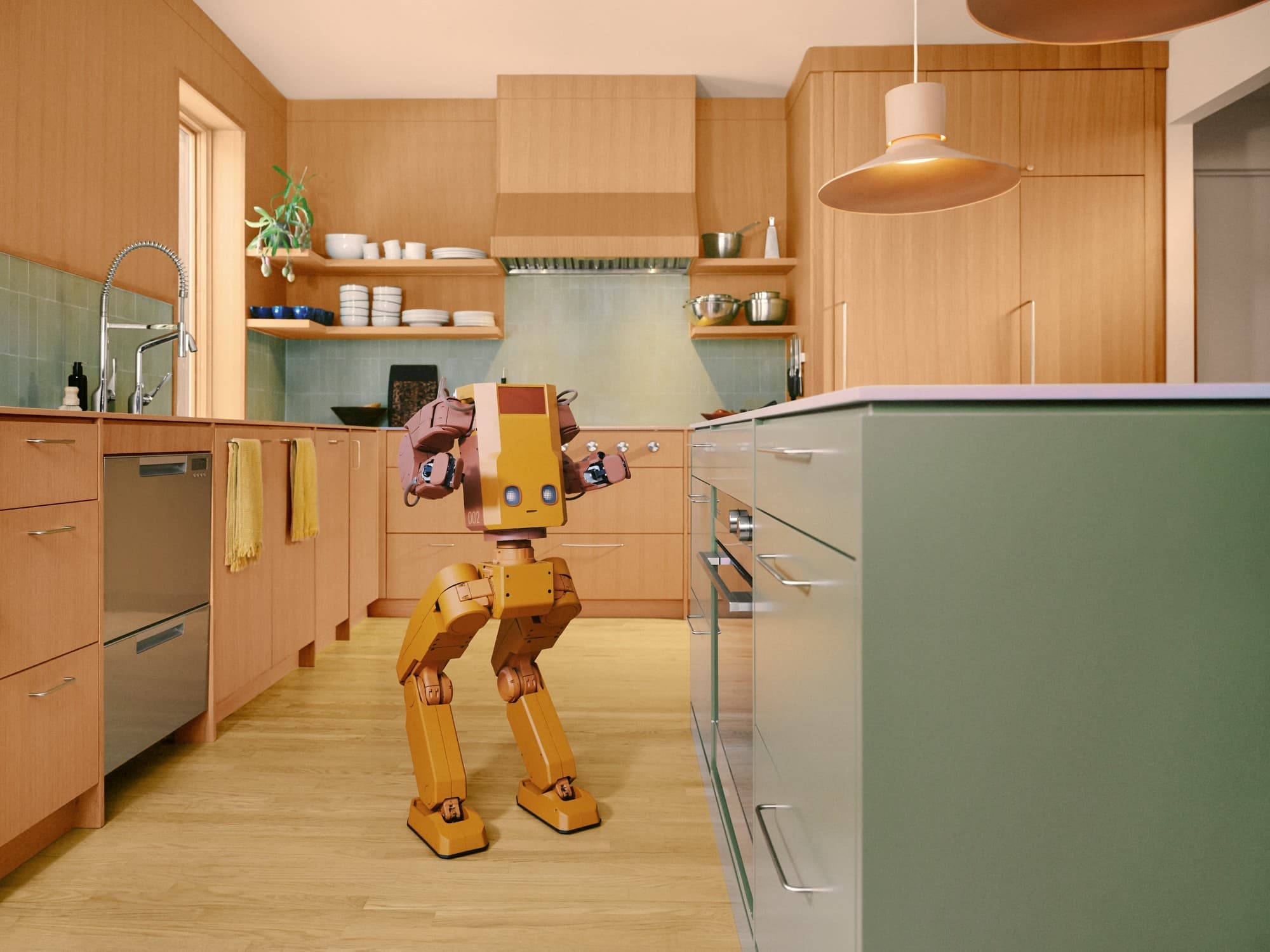
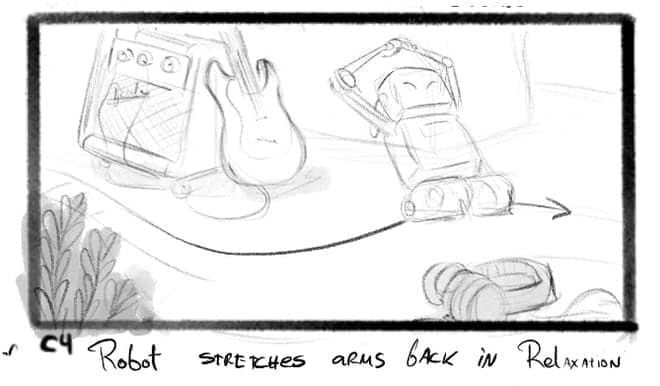

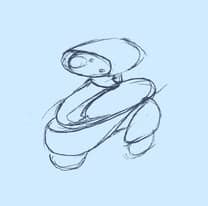
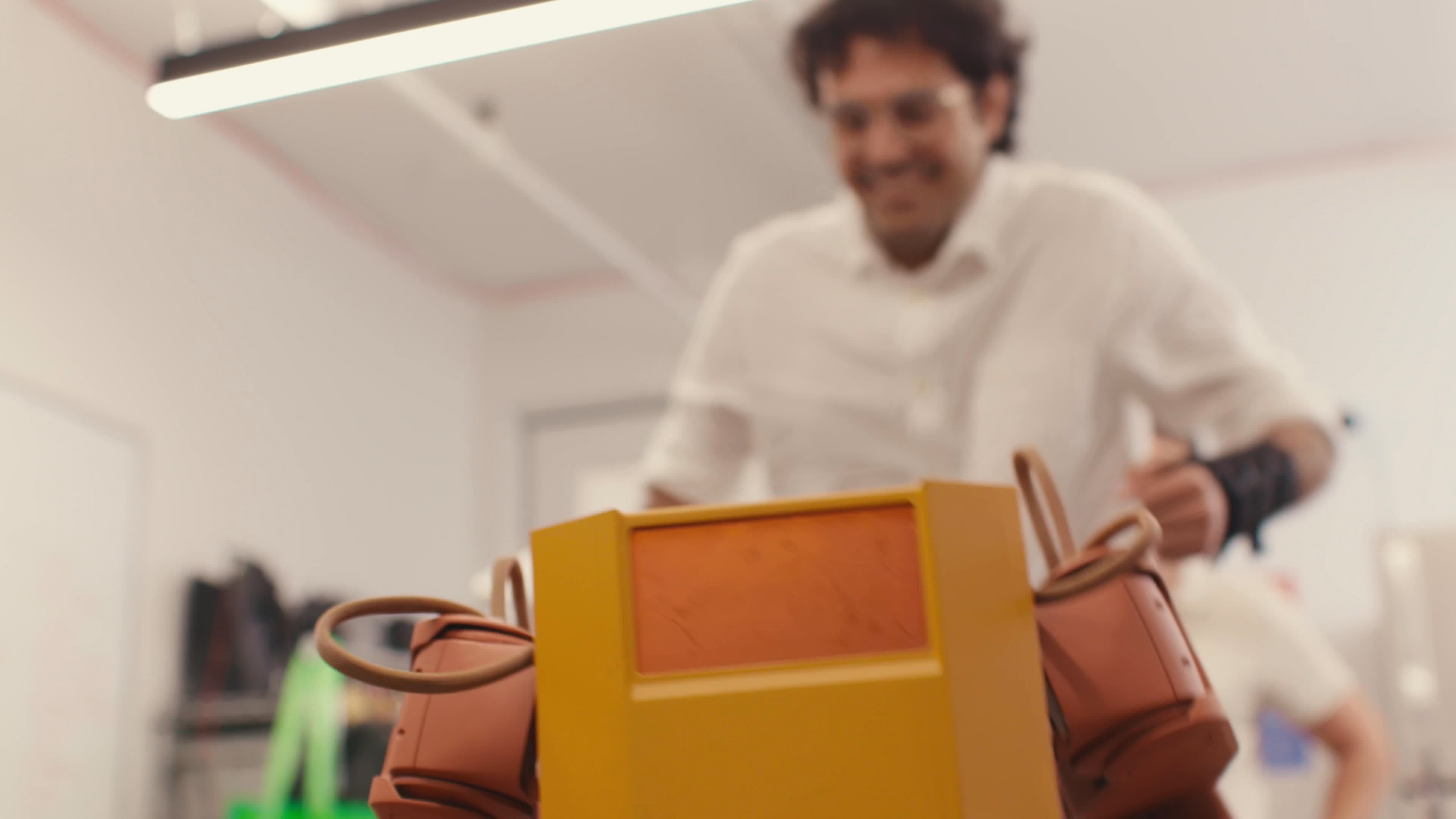
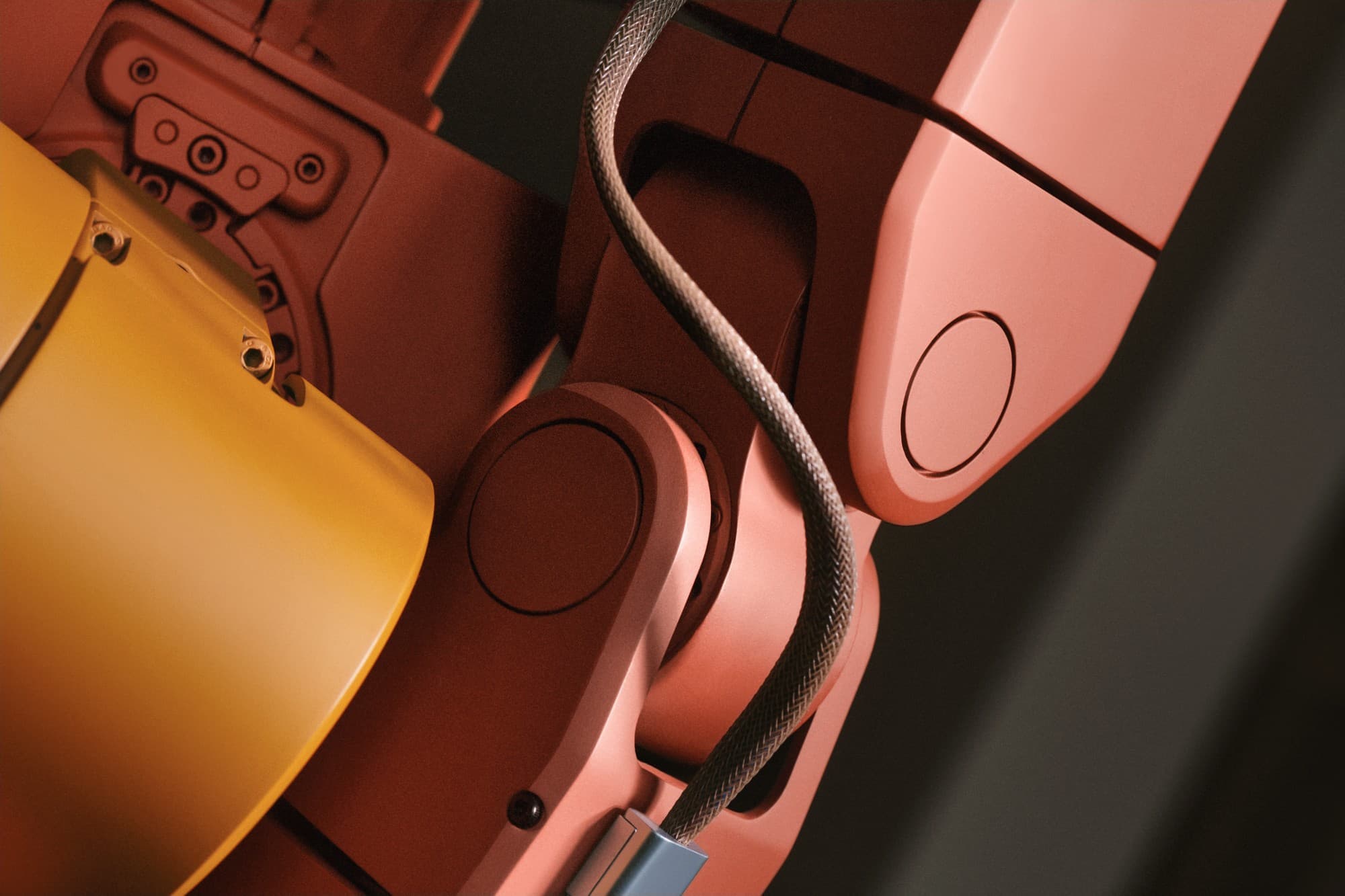
Tuesday Labs, a New York company founded in 2025, has introduced Voxel Series-1, its first semi-autonomous home robot. [1] The machine is counter-height and designed to stay away from the "uncanny valley" look of a humanoid. [1]
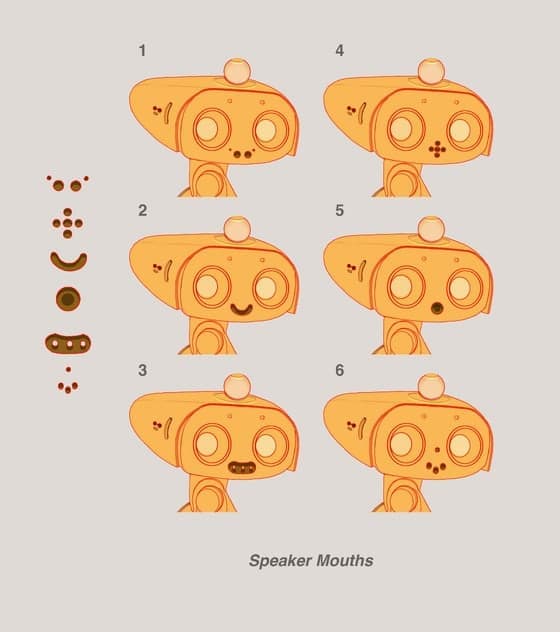
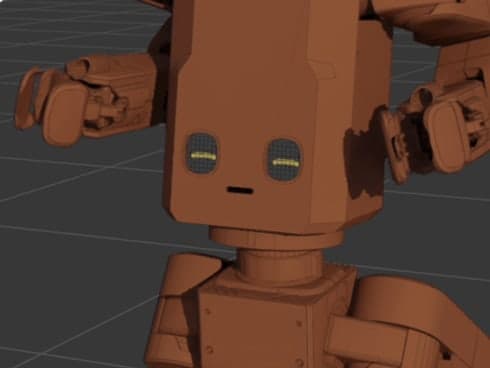
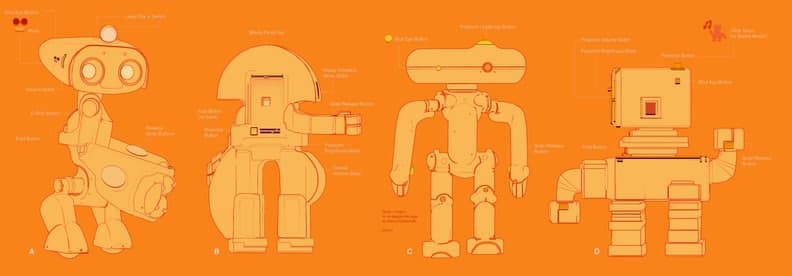
Voxel can water plants and sweep crumbs, currently through a combination of autonomous intelligence and teleoperation, according to the company. [1] A colorful matte plastic shell covers cuboid body parts, with LED eyes and one-degree-of-freedom grippers for hands. [1] Founder Rosalind Shinkle, previously an engineer at Boston Dynamics, worked with former Pixar character designer Alonso Martinez on the design. [1] Early ideas drew on home objects such as lamps, chairs and briefcases. [1] Shinkle called the result a mix of "exceptional capability and charming character." [1] The plastic shell is intended to keep the robot relatively lightweight, and Shinkle said the exterior should also communicate quality. [1]
Shinkle said the team deliberately avoided a humanoid form. [1] "We wanted to stay far from the uncanny valley, and far from robots that fill a human-shaped space in the home," she said. [1] "Instead, we made Voxel relatively small and cuboid, to signal his role in your life: a droid butler, not a human butler." [1] The robot's appearance is meant to sit at roughly the same point on what Shinkle called a "human-toaster spectrum." [1]
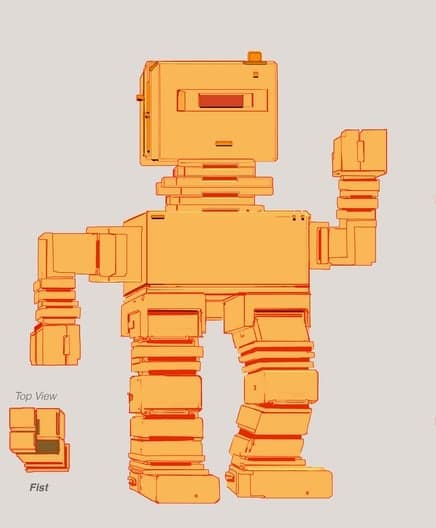
Five design principles guided Voxel: easy integration into the home, a maximalist appearance, simplicity, luxury and playfulness. [1] Shinkle also described "affordance matching," meaning someone who sees the robot should be able to roughly predict what it can do. [1] "If you correctly match perceived and actual affordance, you can avoid that constant feeling of disappointment when a humanoid robot isn't quite as good at doing things as a human," she said. [1]
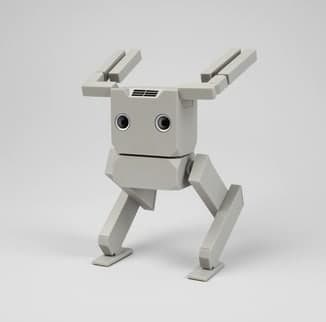
Tuesday Labs will start with a limited number of robots for early adopters who choose to help train Voxel's autonomous software at home. [1] The estimated price is $20,000. [1] Shinkle said that makes Voxel a luxury product, but the company's ambition is to make household robots accessible to far more people as technology improves and production scales. [1]
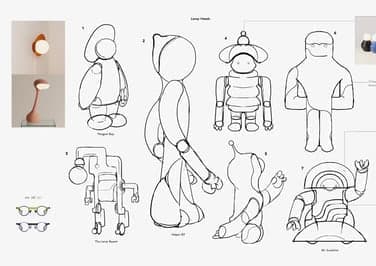
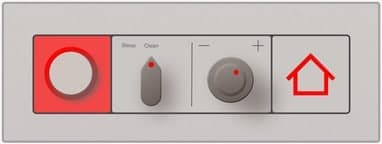
The robot runs on a rechargeable battery and charges at a home docking station as part of its normal routine. [1] Shinkle said her own dislike of cleaning helped drive the project: "I hate cleaning my apartment, and I'd much rather spend my time building something that solves that problem once and for all." [1] Tuesday Labs focuses on robots that feel natural and delightful to live with, in a broader field that includes Neo by 1X Technologies and CLOiD by LG. [1]
Sources
Corrections. To report an error, write to corrections@sundaybestjournal.com. We list corrections on the corrections page.
Clara Whitlow
Food and drink correspondent
Clara Whitlow covers restaurants, cooking and the people behind them for Sunday Best. She writes from published reporting and announcements, and does not review restaurants.